Where does the water go?

Every storm sends water off your roof one way or another. Seamless gutters, downspouts and the metal along your roof edge decide whether it lands in the yard or soaks the fascia and runs to your foundation. Simple Restoration Solutions builds that route for homes and commercial buildings across the Denver metro.

Cross-section of a house roof edge A section drawing showing a sloped main roof with a chimney chase, snow guards, drip edge, fascia, soffit, a seamless K-style gutter with leaf guard and a downspout, plus a flat-roof addition with a parapet, cap flashing, scupper and leader head. Rain flows off the roof into the gutters and downspouts and away from the foundation. 5 in 6 in Eave detail

Gutter size

One inch of rain puts roughly 620 gallons on every 1,000 square feet of roof. Every part on this drawing is there to move it somewhere safe.

Why seamless gutters

A seamless gutter is formed on site from one continuous piece of metal, cut to the exact length of each run. With no joints along the straight sections, there are fewer places for water to drip through, rust from the inside or pull apart when ice loads up.

A 40 foot gutter run: sectional pieces with joints along the length, compared with one seamless piece Sectional run, joined pieces Seamless run, one piece End caps Corner or outlet
Sectional gutter usually comes in shorter stock lengths joined along the run. A seamless run only has joints where it turns a corner or meets a downspout.

How a seamless run gets made

  1. Measure each run

    Every straight section of roof edge is measured, along with corners and where downspouts should drop.

  2. Form it on site

    A coil of gutter metal goes through a forming machine at the house, coming out as one continuous piece cut to length.

  3. Hang and pitch

    The gutter is fastened to the fascia with hangers and set with a slight slope so water runs to the outlets.

5 inchThe standard size on most homes. Fits typical roof areas and everyday Front Range storms.
6 inchFor large or steep roof areas, long runs, and spots where heavy rain overwhelms a 5 inch gutter.

Gutters first. Then every piece of metal along the roof edge.

Simple Restoration Solutions builds and repairs the parts of a building that move water off the roof and keep it out of the walls, on homes and commercial properties.

Seamless gutter corner with a downspout outlet under a tan roofline

Gutters Lead service

New gutter systems sized to the roof, formed on site and hung to drain to the right spots.

  • Seamless gutter installation5 inch and 6 inch K-style runs, formed at the house in one piece per run.
  • DownspoutsPlaced and extended to carry water away from the foundation, not dump it beside it.
  • Leader heads and conductorsCollector boxes for scuppers on flat and parapet roofs, feeding a downspout below.
  • Leaf guardsCovers that let water in and keep leaves and needles out, so gutters clog less often.
Roof-edge and flashing metalwork

  • Drip edgeMetal along the eaves and rakes that kicks water into the gutter and off the fascia.
  • Step flashingLayered pieces where a roof meets a wall or chimney side.
  • Parapet and cap flashingMetal caps that keep water out of the top of a parapet wall.
  • Chimney chase coversSloped metal tops for framed chimney chases.
  • Snow guards and snow stopsHold snow on the roof so it melts off instead of sliding off at once.

Repair and carpentry

  • Fascia board repair and reframingReplacing rotted fascia so new gutters have something solid to hang on.
  • Soffit repairFixing damaged soffit panels under the eaves.
  • Some sidingPatch and section work where water has done damage.
  • Small roof repairsEdge and flashing-related fixes on the roof itself.

And anything metal on a building.

If it is bent, formed or fastened sheet metal on the outside of a house, ask about it in the quote form.

Recent work

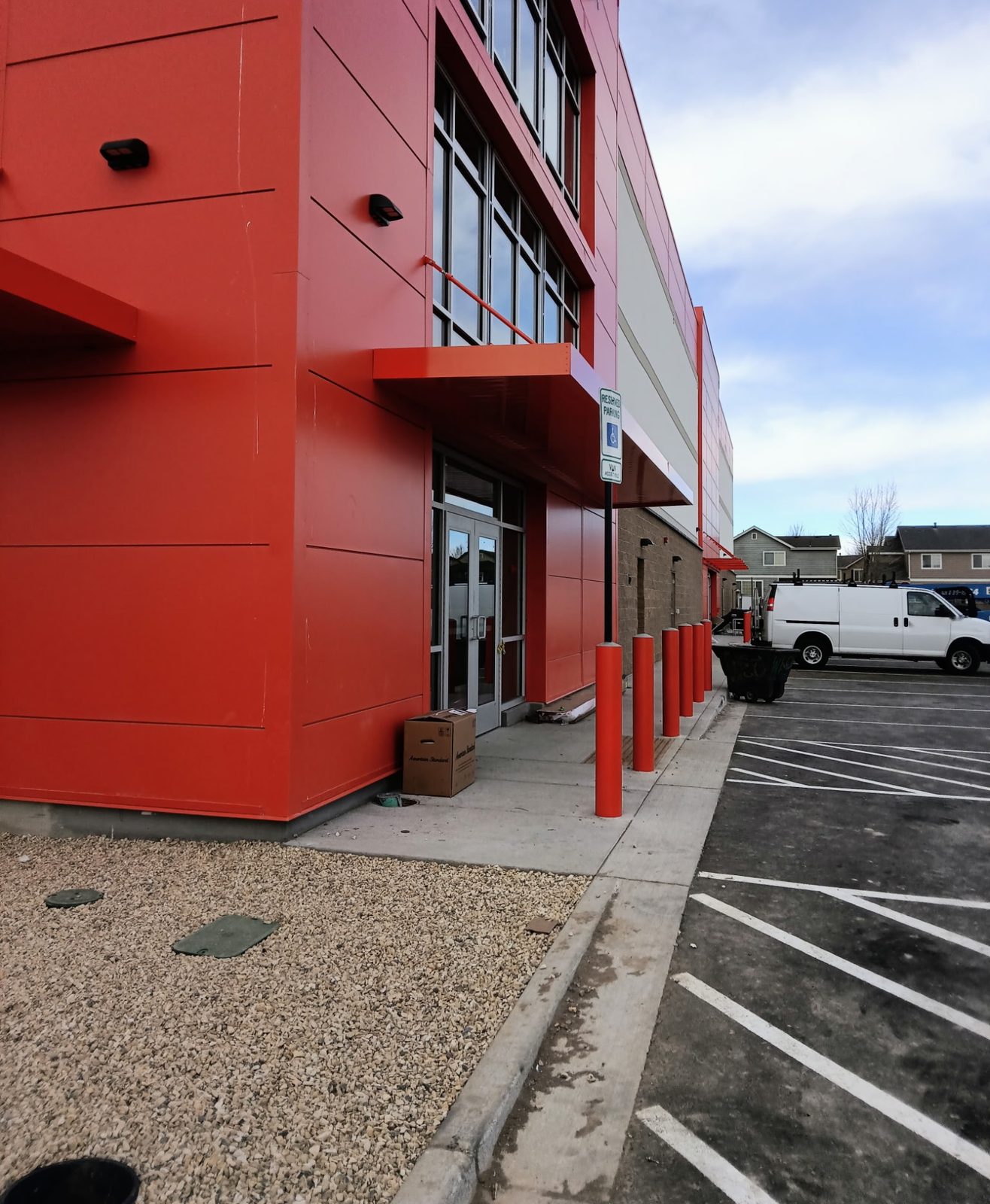
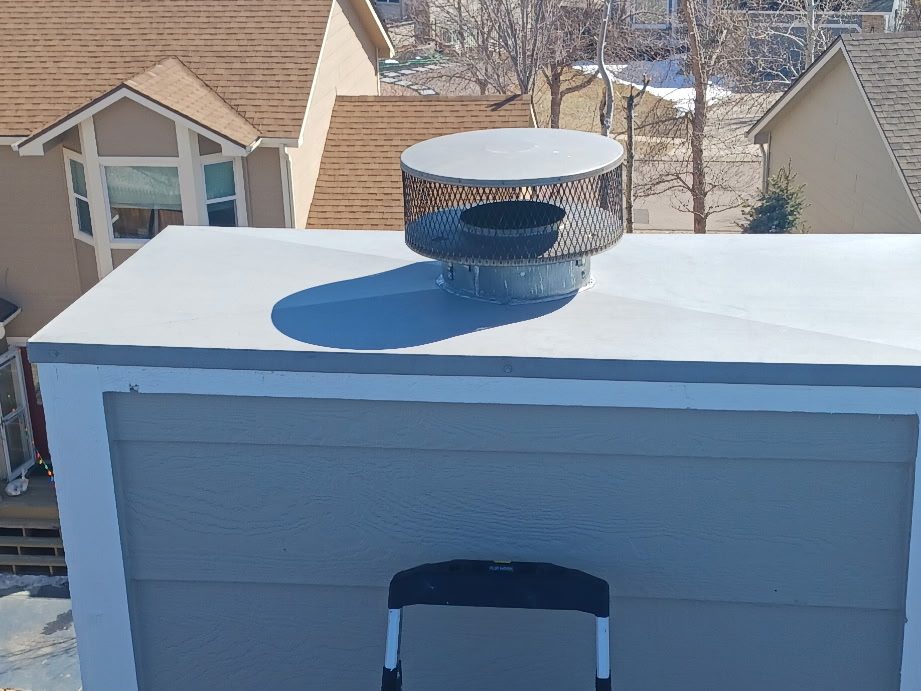
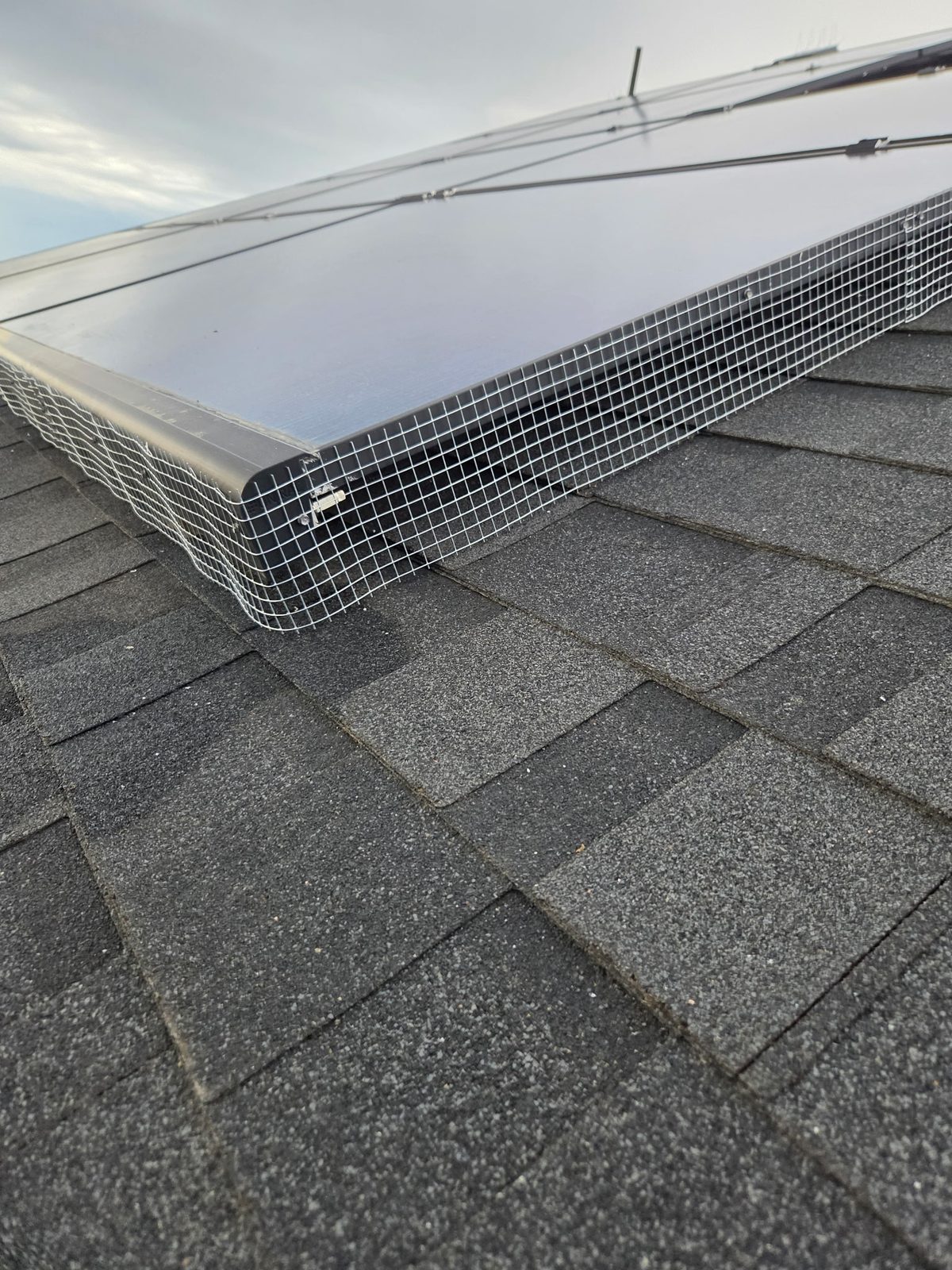
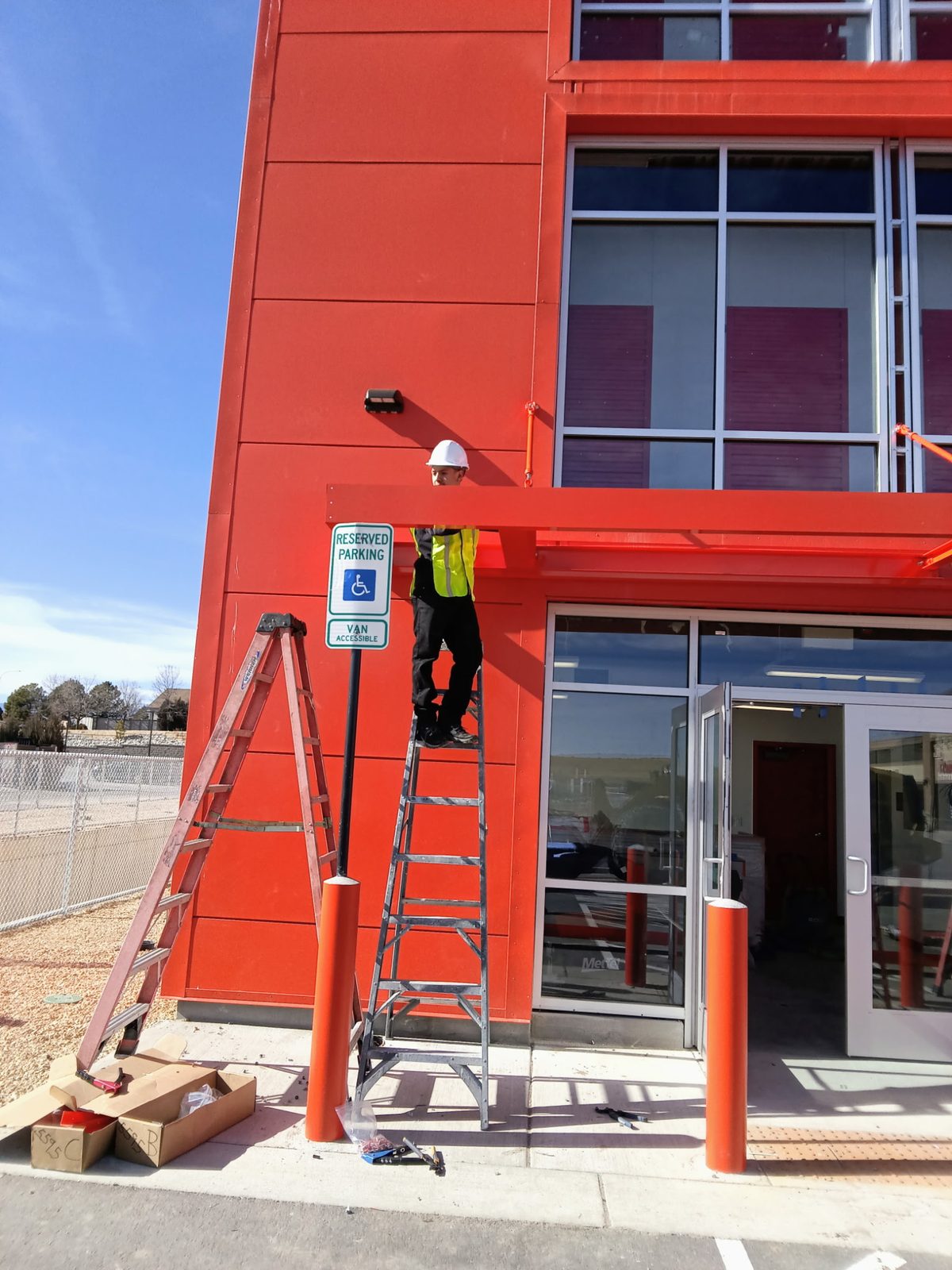
Photos from Simple Restoration Solutions jobs, on a commercial building, a rooftop chimney and a solar array.

Installer on a ladder fitting a red metal canopy above the entrance of a commercial building
Metal canopy install, commercial building
Finished red metal canopy over a commercial building entrance
Finished canopy over the entrance
Chimney chase cover with a mesh-sided cap on a rooftop chimney chase
Chimney chase cover
Wire mesh critter guard installed around the edge of a rooftop solar panel
Critter guard around a solar panel
On a metal roof
Black metal edge trim along the gable of an asphalt shingle roof

What the last storm told you

Most gutter and roof-edge problems show up as water in the wrong place. Pick the one you saw and the quote form starts there.

Overflowing gutters

Water sheets over the front edge in a heavy rain. The gutter may be undersized for the roof, pitched wrong, or short on downspouts.

Ice dams

Snow melts higher up, refreezes at the cold eave and backs water under the shingles. Drip edge, gutters and snow control are part of the fix; attic heat loss is the other part.

Fascia rot

Soft, stained or peeling fascia behind the gutter. Water has been getting behind the gutter for a while, and the board needs repair before new gutters go up.

Water at the foundation

Puddles or erosion right beside the house after rain. Downspouts may be missing, clogged or ending too close to the wall.

Request a quote

Tell us where the water is going, add a few photos from the ground, and the crew will follow up with questions or a time to look. Homes and commercial buildings are both welcome.

Where is the water going?
What do you need? Pick any
Photos Optional, from the ground is fine

Your request goes to the crew by email. We use your details only to answer it.

Quote request sent

Here is what we received. The crew will reply by email.

Working across the Denver metro

From the city out to the foothills, the southern suburbs and the north side. Don't see your town? Pick the closest one in the quote form and say where you are.

    Questions at 10 p.m. get answered at 10 p.m.

    • The site assistant explains gutter sizes, leaf guards, ice dams and flashing in plain language.
    • It never quotes prices or promises insurance coverage. It points people to the quote form.
    • For Simple Restoration Solutions: every conversation can end as a ready-to-read quote request.